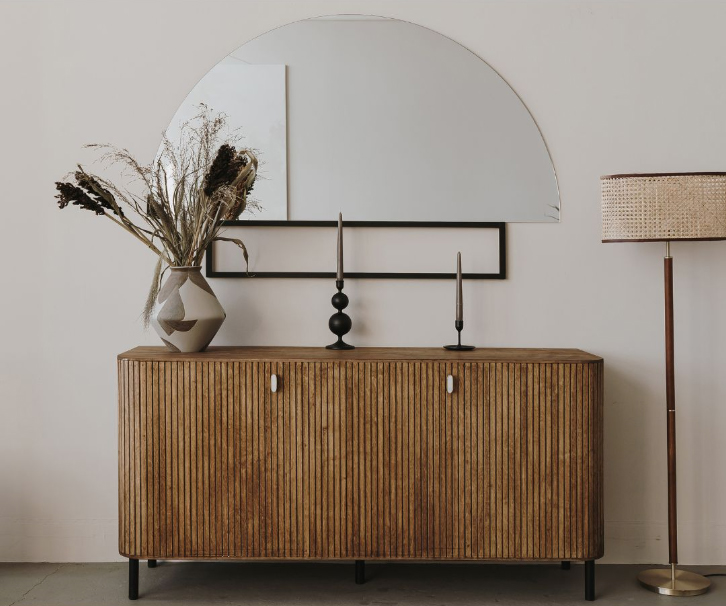
The Growing Demand for Sustainable Furniture
In recent years, there has been a notable shift in consumer preferences towards eco-friendly and sustainable products, with furniture being no exception. The rising demand for sustainable furniture illustrates an increased awareness of environmental concerns and a commitment to making more thoughtful purchasing decisions. This trend encompasses the use of reclaimed materials and ethical production methods.
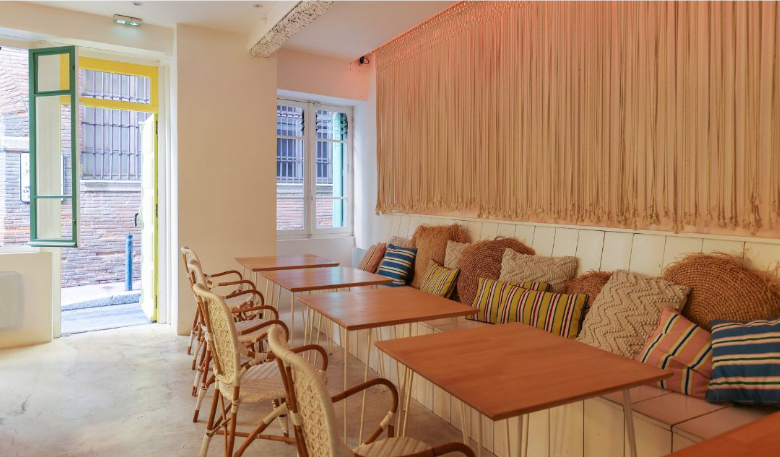
Heightened Environmental Awareness
As climate change and environmental degradation continue to be pressing global issues, consumers are becoming increasingly cognizant of the effects their buying choices have on the planet. Sustainable furniture serves as an eco-friendly alternative to conventional mass-produced items by employing materials and manufacturing techniques that aim to reduce environmental harm. By opting for sustainable furniture, consumers can lower their carbon footprint and actively participate in conservation efforts.
Use of Reclaimed and Recycled Materials
A defining characteristic of sustainable furniture is the incorporation of reclaimed and recycled materials. Manufacturers in this sector utilize reclaimed wood from old structures and factories, as well as recycled plastics and metals, to craft unique pieces that would otherwise be discarded and contribute to landfill waste. This practice not only minimizes waste but also imparts distinctiveness and character to each item.
Commitment to Ethical Production Practices
Sustainable furniture manufacturers prioritize not only the use of eco-friendly materials but also commit to ethical production practices. This means they uphold fair labor practices, ensure safe working conditions, and support local artisans and communities. When consumers choose ethically produced furniture, they can feel confident that their purchases are both environmentally and socially responsible.

Durability and Longevity
One of the significant advantages of sustainable furniture is its durability and longevity. Unlike mass-produced pieces made from subpar materials, sustainable furniture is crafted to last. Manufacturers invest in quality craftsmanship and select robust materials, resulting in furniture that withstands the test of time. This durability reduces the frequency of replacements, thereby minimizing waste.
Health and Well-Being
Sustainable furniture is not just environmentally friendly; it also promotes personal health and well-being. Traditional furniture often contains harmful chemicals and toxins that can release into the air over time, leading to indoor air pollution and potential health risks. Conversely, sustainable furniture typically utilizes natural, non-toxic materials that are safe for occupants, fostering a healthier living environment for families.
Design and Aesthetics
There is a common misconception that sustainable furniture sacrifices style for sustainability. However, many pieces are designed to be both attractive and eco-friendly. With an extensive variety of styles ranging from modern to rustic, sustainable furniture can complement any aesthetic preference. What distinguishes sustainable options is the emphasis on craftsmanship and attention to detail, adding charm and character to any space.
Choosing sustainable furniture signifies a growing acknowledgment of environmental issues and a desire for more conscientious purchasing habits. By selecting sustainably made pieces, consumers can diminish their ecological impact, endorse fair production practices, and create healthier, stylish living environments. As the demand for sustainable furniture escalates, we anticipate even more innovative designs and eco-friendly choices that will transform how we furnish our homes.